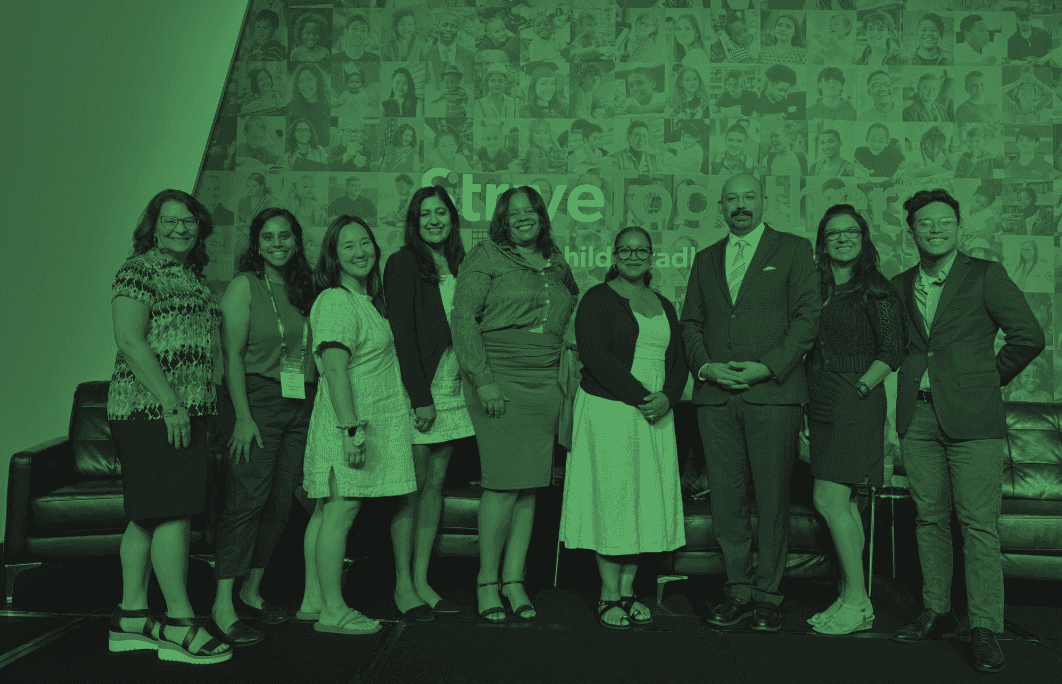
Hayward Promise Neighborhood: A Shared System for Multiple Partners to Support Families

Sruti Bharat
CEO
Date & time
Hayward Promise Neighborhood launched a 50-family pilot to reduce chronic absenteeism through family-centered navigation. They coordinated outreach, referrals, milestones, and attendance across the school district, nonprofits, and 4Cs of Alameda County.
Without shared systems, partners relied on spreadsheets and a slow, expensive Salesforce implementation, including a $70,000 referral form. With Campground, they built a secure multi-partner case management and referral system aligned to their workflow, integrated attendance uploads, and automated performance reporting that saved 10 to 15 hours per month. The result is a shared source of truth that enables real-time coordination and positions the partnership to identify which interventions most effectively reduce chronic absenteeism.
The Coordination Challenge
The program model depended on multiple partners working in sync, but the operational environment made that difficult.
Pain Point 1: No Shared Source of Truth
Each organization has a different way of tracking work, including:
spreadsheets
internal CRMs
case notes stored locally
email attachments
informal updates in meetings
The status quo would have led to predictable problems:
families receive multiple calls from different agencies
staff do not know who was doing what
attendance data was not easily connected to interventions
measuring effectiveness required manual effort
Pain Point 2: Salesforce Was Slow, Expensive, and Not Built for Multi-Partner Navigation
Hayward Promise explored using a Salesforce setup or existing partner systems, but that required approvals and governance across institutions. It also came with long timelines and high costs. The team estimated it could take 1 to 2 years to accommodate the project, largely due to contractor backlogs. Even simple changes were costly. One referral form alone had cost $70,000 the previous year and took months to create.
Pain Point 3: Spreadsheets Were the Only Viable Alternative, and They Were Risky
Without a shared system, partners fell back on spreadsheets.
Spreadsheets created serious problems:
sensitive student and family data shared via attachments
version control issues and human error
copying and pasting mistakes
difficulty tracking progress over time
limited auditability for multi-agency work
What They Needed: A Secure, Shared Case Management and Referral System for Multiple Partners
Hayward Promise was not looking for a typical CRM.
They needed a coordination system that could:
support family-based navigation
allow different organizations to collaborate without duplicating effort
securely handle individual-level data
centralize referrals, case notes, milestones, and interventions
connect partner interventions with attendance outcomes
generate reporting without staff spending hours each month assembling metrics
They needed a shared operational backbone rather than another silo.
The Solution: Campground Helped Hayward Promise Build a System Around Their Workflow
Hayward Promise partnered with Campground to build a secure case management and referral tracking system that worked across organizations.
This was the first time the partnership had been able to collaboratively build a system to match their real-world needs, instead of forcing their program into a tool designed for a different context. The cost was a fraction of the cost of hiring a developer or vendor.
What Campground Delivered
1. A customized CRM that matched their workflow and process map
The system was built to reflect how work actually flows in their model. Campground used AI to customize at lower cost.
Intake
Family Engagement
Interventions and milestones
Tracking data
Performance Measurement reporting
2. Shared access across organizations without spreadsheets
Select partners across agencies could work in the same system. This enabled a shared source of truth, reduced duplication, and lowered risk from emailed attachments.
3. Attendance uploads integrated with case management
A portal enabled district partners to upload attendance data regularly. The system could then sync attendance with intervention timing, milestone tracking, service referrals, and case management intensity.
This created the foundation needed to answer a key question: Which interventions, across the full suite of supports, are most effective at reducing chronic absenteeism?
4. Automated reporting for required performance measures
Instead of spending 10 to 15 hours per month compiling reporting, staff can export performance measures directly from the system.
5. A single place for navigators and case managers to do daily work
Navigators and case managers could finally do daily work in one place, rather than relying on clipboards, scattered notes, and multiple trackers.
Why This Matters for Cradle-to-Career Partnerships
Hayward Promise’s story is not unique. Across the StriveTogether Network, partnerships are attempting increasingly sophisticated cross-sector coordination:
shared outcomes across organizations and partners
coordinated interventions
integrated supports for families
real-time learning about what works
But these strategies often run into the same infrastructure barrier. You cannot coordinate outcomes with disconnected systems.
Hayward Promise’s case highlights a growing need for systems that match multi-partner workflows, support family-centered navigation, and enable secure collaboration. When reporting and measurement are built into daily work, partnerships gain operational capacity, not just convenience.
When coordination becomes easier, partnerships can:
reduce duplication
target support more effectively
track interventions reliably
measure impact faster
refine strategies based on real data
A Closing Reflection
Hayward Promise and Campground Systems built the coordination infrastructure their program needed to succeed. Family navigation works best when systems are designed for the realities of day-to-day work and collaboration, not just compliance.
With a shared case management system in place, Hayward Promise and its partners now have a platform for continuous learning. They also have a way to connect interventions to outcomes at the family level, across agencies.
And ultimately, when our infrastructure works better, our families are served more effectively.
Social Impact Programs Deserve Better.
How Campground is Moving the Sector from Spreadsheets to Systems
Read article
Camp Counselor of the Month from American Connection Corps
Making Service Corps Program data management fun
Read article
Data Privacy for Tiny Nonprofits: Campground > Spreadsheets
Campground's an easy-to-use way to secure student data
Read article
Avoid expensive, multi-year CRM implementations
Common mistakes nonprofits make with tech tools
Read article